
2026-11-05
For the past decade, "cross-border medical tourism" has been almost synonymous with a one-way flow of Chinese patients seeking care abroad—traveling to Japan for cancer screenings, to the United States for second opinions on oncology, or to Southeast or Central Asia for assisted reproductive services. However, this landscape is undergoing a structural shift.
Driven by the accelerated approval of innovative drugs in China, the rapid clinical translation of cell therapies, the expansion of direct-billing networks for international commercial health insurance, and the gradual easing of visa-free policies, a reverse flow of medical tourism is emerging: international patients are increasingly considering China as a destination for medical care. From cancer immunotherapy and hysteroscopic specialties to Traditional Chinese Medicine (TCM) wellness and longevity medicine, the global movement of medical resources is transitioning from a "one-way outflow" to a "two-way circulation," with China’s inbound medical tourism gaining visibility among international patients.
Against this backdrop, the 28th CMTF Beijing International Medical Tourism Exhibition—organized by Zhenghe Exhibition and exclusively title-sponsored by Shanghai Aijinhe Medical Consulting Co., Ltd.—will take place from November 19 to 21, 2026, at the China International Exhibition Center (Chaoyang Hall). Held concurrently will be the 19th Cell Biology Industry and Cell Therapy & Regenerative Medicine Conference (CBIC), the 12th International Functional Medicine and Longevity Technology Innovation Conference (CFMC), and the World Summit on Assisted Reproductive Medical Technology. The exhibition will reflect several profound transformations currently underway within China’s healthcare industry.
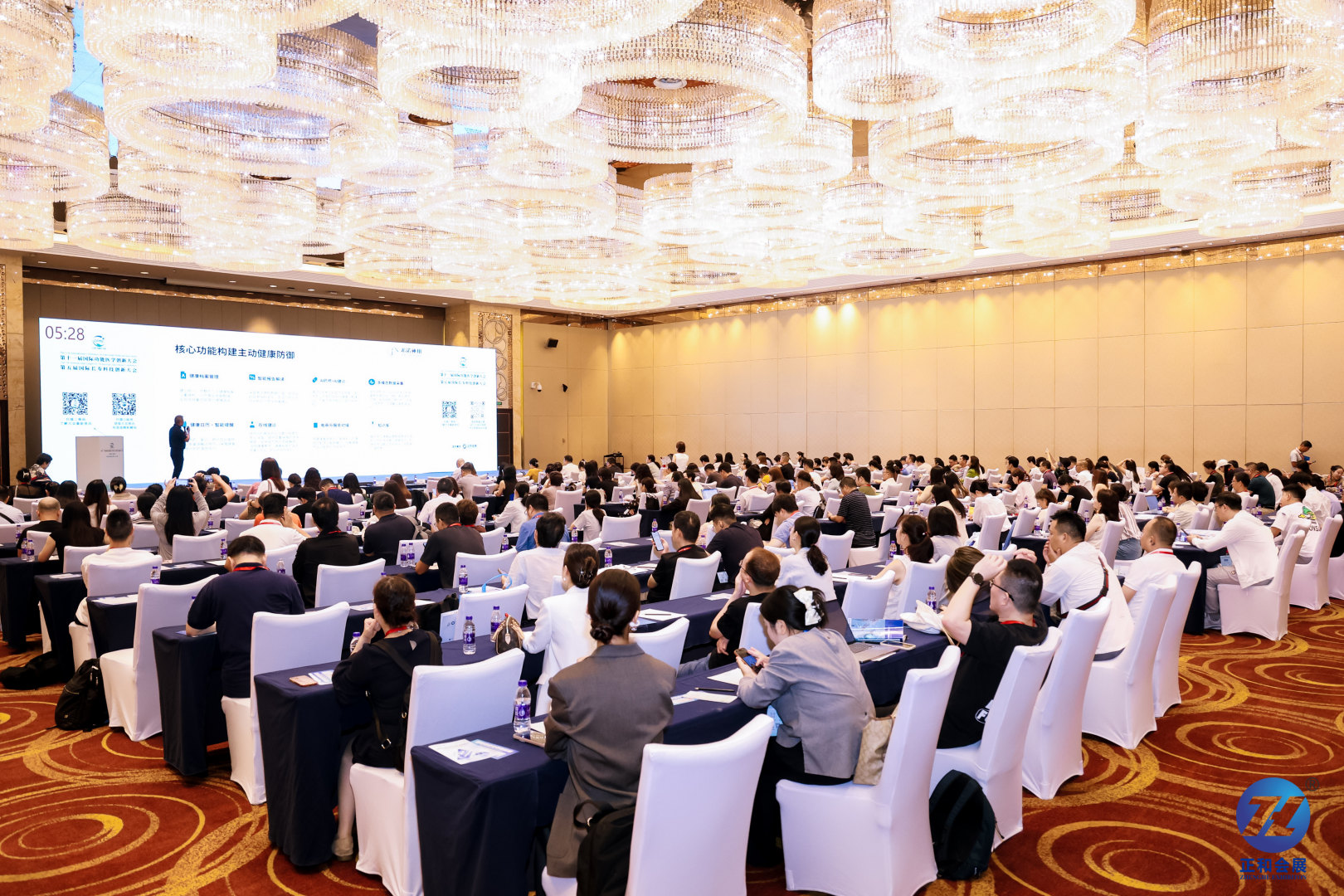
I. Cross-Border Medical Tourism: From "Going Out" to "Coming In"
In the past, the core focus of medical tourism in China was "how to help patients access better medical resources abroad." Today, a new question has emerged: "How can we attract international patients to seek medical care in China?"
This is no longer a distant vision. At this upcoming exhibition, organizations such as the United Family Healthcare (UFH) Cross-Border Medical Center, LumaLink Global, Meizhong Airui Cancer Hospital, Raffles Medical Group, and Yalei Medical Bridge (Yalei MedBridge) will be among the key participants. Each entity is exploring a distinct path toward attracting international patients: some leverage networks of international hospitals, others focus on oncology, some build digital service platforms, and others specialize in niche areas like hysteroscopy. Their shared objective is to transform China’s medical capabilities into "service products" that international patients can trust and choose.
Meanwhile, medical institutions from countries including Japan, the United States, Russia, South Korea, Thailand, Georgia, and Kyrgyzstan will also be in attendance. In effect, the exhibition itself serves as a microcosm of the global healthcare market—a space where supply and demand can be realigned.
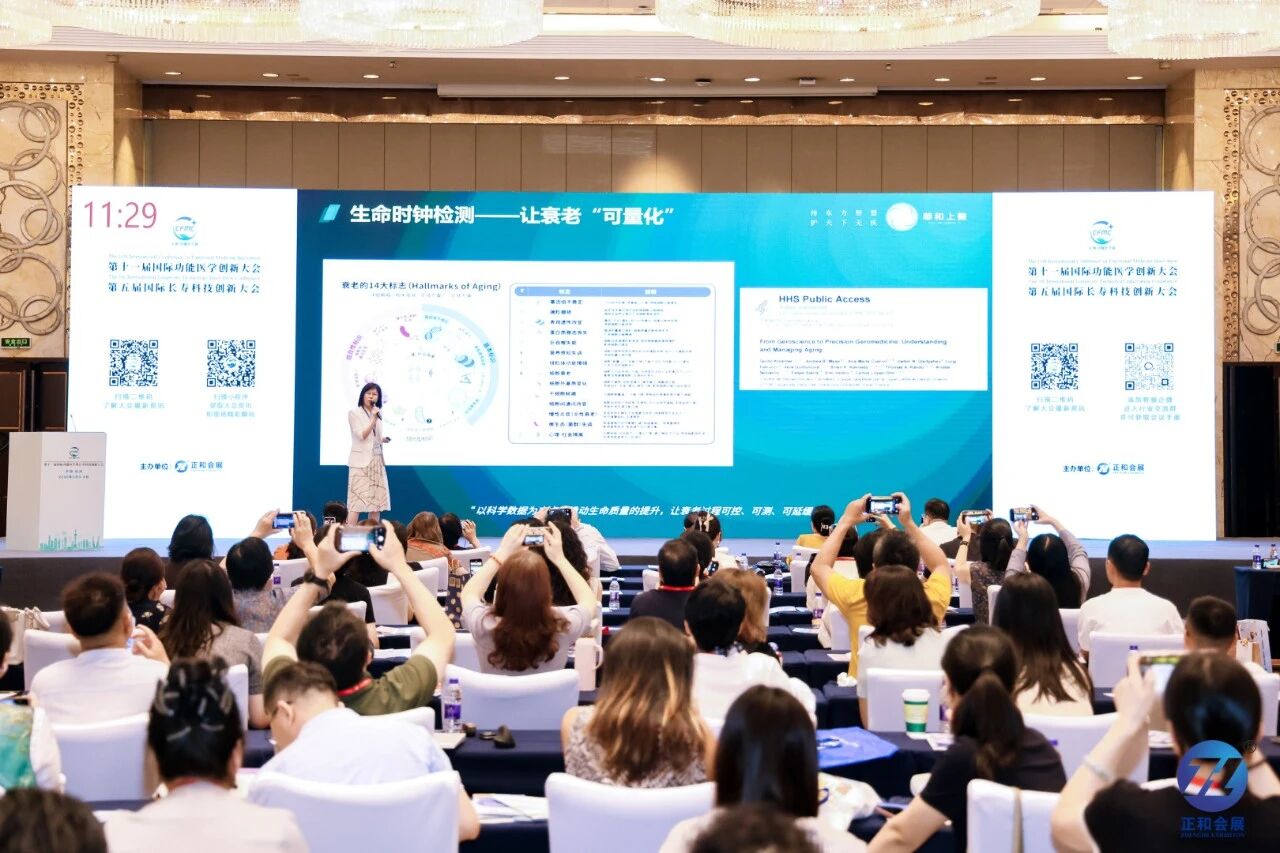
II. Functional Medicine and Longevity Science: From "Treating Existing Illness" to "Managing Future Health"
Another notable trend is the continuous expansion of the boundaries of the healthcare industry.
At this year’s exhibition, alongside traditional hospitals and clinics, a host of new players has emerged: functional medicine testing centers, firms focused on gut microbiome intervention, brands specializing in NAD+ and mitochondrial medicine, AI-driven health management platforms, operators of longevity clinics, and companies developing exosome technologies. Collectively, they represent a shift in industry logic—moving from a focus on "treating disease" to "maintaining health."
This shift is driven by evolving consumer demands. People are no longer content to wait until they are ill to seek medical care; instead, they increasingly seek interventions before the onset of aging, chronic diseases, or functional decline. Functional medicine, regenerative medicine, and longevity medicine serve as the three pillars addressing these needs.
Over the course of the three-day forum, more than 100 presentations and panel discussions will explore these topics. From foundational research at Tsinghua University and real-world clinical case studies to the commercialization efforts of various enterprises, these diverse perspectives begin to sketch out a preliminary vision for the "next generation of health services."
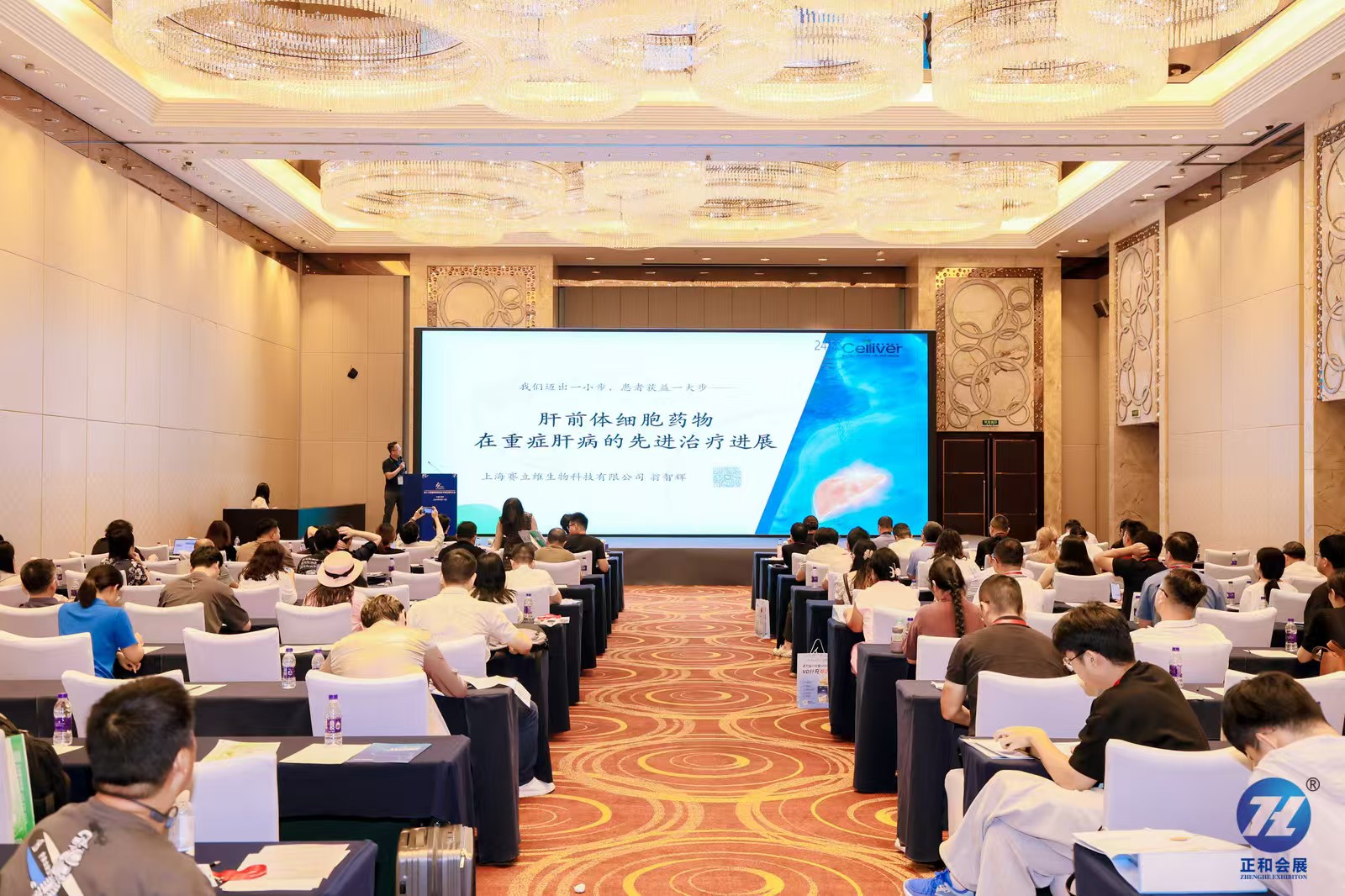
III. Cell and Regenerative Medicine: From Concept to Reality
In recent years, the fields of cell therapy and regenerative medicine have transitioned from a state of hype to a more rational, measured phase. Regulatory frameworks have become increasingly clear, clinical pathways have been refined, and the capital market has adopted a more sober outlook. The industry has reached a critical juncture: who will succeed in translating laboratory-based technologies into viable, deliverable clinical solutions? At this exhibition, companies such as BGI Cell, Shanghai Cell Therapy Group, InBri (Yingbairui), iBiho, and Tokyo Cell Group will showcase their latest advancements. From the use of umbilical cord-derived mesenchymal stem cells to treat type 2 diabetes and the application of off-the-shelf (allogeneic) NK cells for cancer and autoimmune diseases, to the standardized production and clinical translation of exosomes—these are no longer distant concepts, but real-world industrial practices currently underway.
IV. A Roundtable on "Trust"
Notably, this year’s exhibition features a dedicated "Inbound Medical Opportunities and Services Forum." One of the roundtable discussions is themed: "Building an International Brand for Chinese Healthcare: Ensuring Overseas Patients Are Willing to Come, Able to Come, and Inclined to Return."
The discussion will bring together a diverse group of participants, including executives from international hospitals, founders of cross-border medical service platforms, and regional heads of international health insurance companies. They will address the industry’s most critical pain point: while China’s medical sector possesses the necessary technical prowess, how can it cultivate trust among international patients? How can it bridge gaps in the service chain—such as language barriers, cultural differences, payment processes, and post-treatment follow-up? These questions will be explored and debated during the session.
From November 19 to 21, at the China International Exhibition Center (Chaoyang Hall) in Beijing, three conferences and one exhibition will take place concurrently, bringing together global organizations. Covering everything from outbound medical travel to inbound medical services, and from cell regeneration to longevity technology, this event will serve as a vital annual window for observing the internationalization of China’s healthcare industry.


Scan to follow WeChat

Scan to register